
Passive Income With Machines: Myth or Reality?
YouTube promises: get rich with machines. The reality is more sober. Vending can be a solid side income, but fully passive it is not. Restocking, maintenance and location choice remain work. We show you realistic figures and how telemetry lowers the effort, instead of telling you pie in the sky.

GDPR compliant · CE and ISO 9001 certified · Made to our own design specifications




How Passive Is It Really?
Why Vending as an Asset Class?
Scalable Step by Step
Start with one unit from around 5,000 € and finance more from the ongoing return. Whether and how fast that works depends on the location.
Cash Flow
Daily cash inflow. High liquidity.
Crisis-Resistant
People always eat and drink.
Physical Value
The machine is a tangible asset that you can depreciate and resell.
The Best Machines for Investors
Snack & drink: the classic. Steady revenue, low risk. Toys/gadgets: high margins, but trend-dependent. Coffee: high maintenance effort, but an extremely high return at top locations.
Realistic Business Plan Figures
A snack or drinks machine turns over 100–6,000 €/month depending on the location, and the margin after goods purchase is around 50%. Weak locations can also bring a loss. These are guide values, not assured returns.

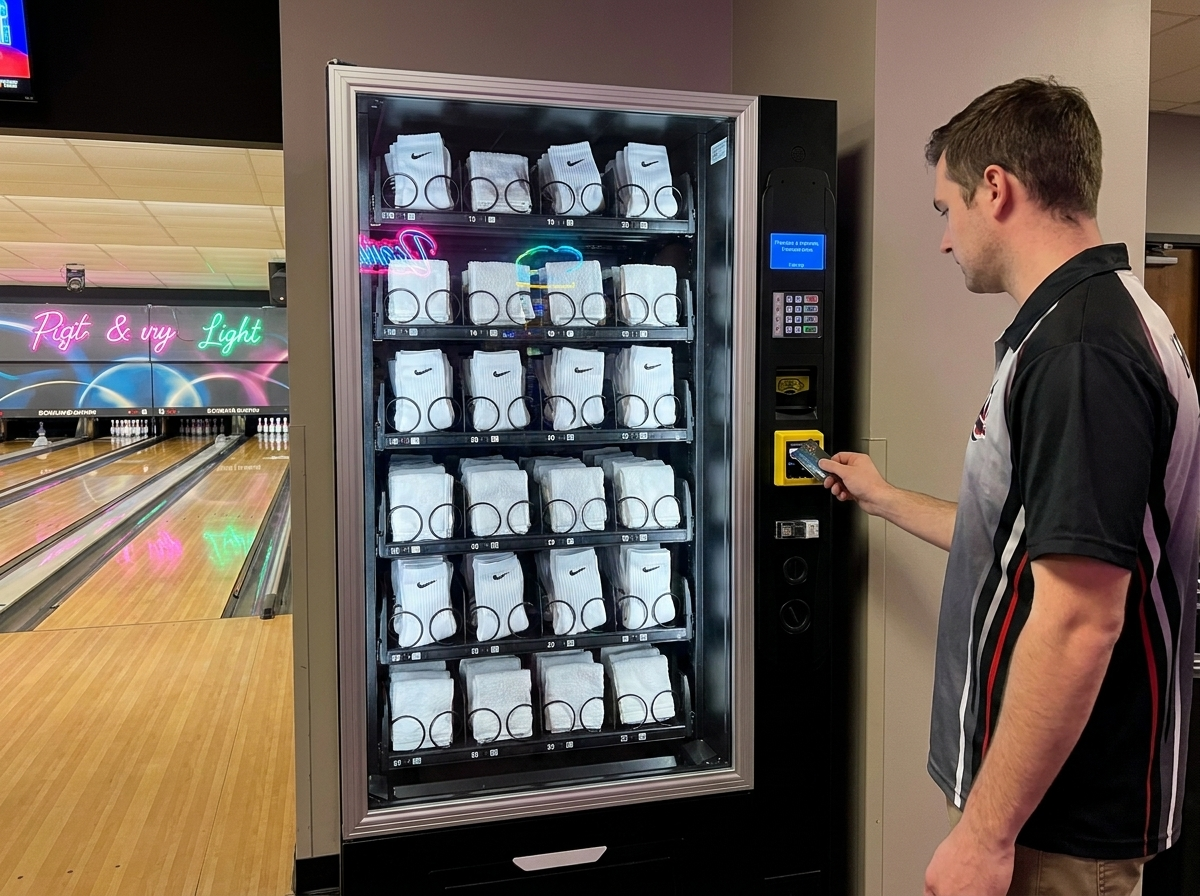

How Passive Is a Vending Business Really?
Passive Income: Realistic Scenarios
On the Side With Three Machines
A working person runs three rented snack machines in office buildings. At good locations the gross return is around 4,500 €/month, and after costs a low four-figure net profit remains. Time required: around 5 hours per week for the restocking round. The figures apply to high-traffic locations and are not a guaranteed return.
Revenue Sharing: Low Effort
A hotel owner has vyndo set up a machine in the lobby (revenue sharing). He does not restock, does not invest and receives a revenue share for it (split from 20/80 to 50/50 depending on the model). At around 2,000 €/month revenue, that is a few hundred euros a month depending on the agreement, with very low effort of his own.
Fleet With a Restocking Helper
An operator runs a larger fleet and hires a part-timer for restocking (around 520 €/month). His own time required drops to a few hours per week for planning and control via the telemetry app. The return scales with the number of good locations, not with the wish alone.
Can You Build Passive Income With Machines?
Reducing the Effort Further
Three ways lower your time required. First a restocking service: a part-timer (around 520 €/month) takes over the tours, and you steer via the app. Second high-capacity machines: more compartments mean less frequent restocking. Third route optimisation: place machines geographically close together so a restocking round is efficient. The telemetry supports all three, because via predictive refill it shows you which unit really needs a resupply.

What You Can Realistically Expect
The first months are a learning phase: you optimise locations and range, and the return is modest. Once the processes are in place, a few units at good locations can carry a solid side income. Whether and how fast you scale depends on the quality of the locations, not on a formula. Important and honest: this prospect applies to good locations. Weak spots can bring a lasting loss. That is why the safest entry is a rental unit to test before you buy. We assure you no return, but help you assess locations soberly.
Frequently Asked Questions About Passive Income With Machines
No, not fully. More honest is the term semi-passive. You need around 1–2 hours per unit per week for restocking and cleaning, plus the location search once and the accounting monthly. Sales, payment and revenue reporting, by contrast, run automatically. The ratio of effort to return is much better than with a shop that ties up 40–60 hours per week, but work remains. Anyone who wants to lower the effort further outsources the restocking to a part-timer and only steers the figures via the telemetry app. Telemetry is also the most important lever: predictive refill plans restocking tours according to real demand, so no trip is in vain. Anyone who expects 100% passivity will be disappointed; anyone who seeks an efficient side income will find it.
A single snack or drinks machine turns over 100–6,000 €/month depending on the location, and the margin after goods purchase is around 50%. What remains of that as profit depends on rental or purchase depreciation, goods cost and location footfall. A high-traffic office location carries itself well, a weak spot can also bring a loss. This range is an honest guide, not an assured return; nobody can guarantee you a fixed income, because everything hinges on the location. It can be scaled step by step: start with one unit, check the figures in the dashboard and set up more machines only at locations that pay off. The safest entry is a rental unit to test before you invest in several machines.
Yes. That is exactly what makes vending semi-passive rather than labour-intensive. A part-timer (around 520 €/month) can regularly restock several machines, so your own effort shrinks to planning and control via the app. The telemetry provides the basis for this: it shows in real time which unit is running low and plans efficient restocking tours via predictive refill. That way the restocking helper knows exactly which machine needs which resupply, instead of driving to every machine blindly. For larger fleets this is the usual way. You steer the business through figures, while the physical restocking is outsourced. What stays important: the location choice and the range decision remain your job, because they decide the return.
That depends on the financing model. With a purchase you start from around 5,000 € for a single unit, plus the initial goods stock. Anyone who wants to tie up less capital rents, with terms from one day, so you get started with a few machines and little capital. Leasing is from 99 €/month and is tax-deductible as an operating expense. All prices are net excl. VAT. The advantage of rental or leasing at the start: lower risk, because you can test a location before committing with a purchase. Additionally, factor in goods purchase and the time for location search and restocking. How much is sensible for your plan, we clarify in the quote based on location and target range.
With a purchase: payback in 6–12 months. With rental: positive cash flow from day 1 (when revenue > rental instalment).
The biggest risk is the location. A machine at a weak spot can bring a lasting loss, no matter how good the unit is. That is why the safest entry is a rental unit to test before you buy; that way you limit the risk to the manageable rental instalment. Further risks: vandalism (coverable via insurance) and product spoilage with cooled goods, which the telemetry prevents with temperature monitoring and a push warning. Add the ongoing effort for restocking and maintenance, which many YouTube promises leave out. Anyone who knows the risks and assesses the location soberly can steer them well. We assure you no return, but help you assess locations realistically and start with a low-risk rental model.
For location providers (hotels, offices) yes – zero effort, a fixed share of the revenue. For operators, owning it yourself is more profitable, but requires more input.
Still have questions?
Get in touch with us directly. We’ll get back to you quickly and honestly.
Check Your Location Before You Invest
Instead of promises, we give you sober figures. Let us work through your location and your range together.